Dan Britt - Orbits and Ice Ages: The History of Climate
TheIHMC3 HN recommenders · 2019–2019
883K views · lecture · evergreen · Uploaded 2012-02-09
Dan Britt lectures on the history of climate, covering orbital cycles, ice ages and conditions millions of years ago. It frames current climate debate with deep-time context.
Strongly recommended as a clear explanation of 50-60 million years of climate history that clears up confusion.
 52:11
Václav Smil at Driva Climate Investment Meeting 2019
Nysnø Klimainvesteringer
 55:46
How Much Do Rockets Pollute? Are They Bad For Our Air?
Everyday Astronaut
 21:33
A CONSERVATIVE solution to global warming (Part 1)
potholer54
 1:04:01
Great Earthquakes of the Pacific Northwest
Central Washington University
 14:11
We WILL Fix Climate Change!
Kurzgesagt – In a Nutshell
 3:00:57
Joe Rogan Experience #606 - Randall Carlson
PowerfulJRE
 1:03:31
4.5 Billion Years in 1 Hour
Kurzgesagt – In a Nutshell
 19:07
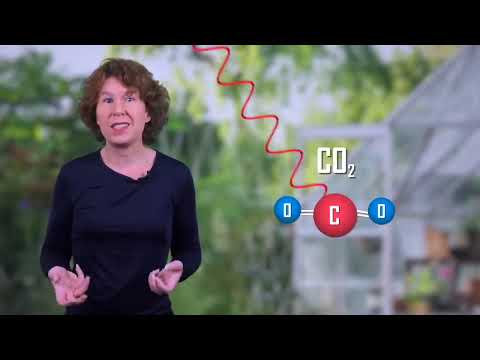
I Misunderstood the Greenhouse Effect. Here's How It Works.
Sabine Hossenfelder
4 comments from Hacker News
For anyone interested in finding out more about the last 50-60 million years of climate history I would strongly recommend this talk: [VIDEO]
Incidentally, yesterday I came across a great scientific talk that I think checked all the boxes here, and then some. 100k views+, but deserves an even larger audience IMO, could clear up some of the confusion about climate (the facts parts): Dan Britt - Orbits and Ice Ages: The History of Climate [VIDEO] Obviously, I think this is a great talk since I find the topic interesting too. There is probably not much you can do if your audience is uninterested in the first place.
Well as far as Dan Britt's talk goes, trees haven't noticeably been adjusting for thousands of years. [VIDEO]
> <...> thing someone would do if they wanted to cherry pick their data to suit a case. <...> See for example the year without a summer (1816). _comes and cherry picks a single year to "prove" something_ > There are periods of human history where it was warmer than it is now. Yes, but you are talking about geologic time scale and extremely gradual changes compared to what we see now, which is just dozens of years. I recommend to watch this: [VIDEO]