The step-by-step, mechanical logic of old pinball machines
Technology Connections1 HN recommenders · 2024–2025
1.1M views · explainer · evergreen · Uploaded 2023-12-29
Technology Connections takes apart the step-by-step electromechanical logic of a 1970s pinball machine. He shows how relays, steppers and switches track state and score without electronics.
HN recommends it as an in-depth look at mechanical logic, and uses it as an analogy for state machines and biological instruction processing.
 1:25:34
8 Bit & '8 Bitish' Graphics-Outside the Box
GDC Festival of Gaming
 28:03
AT&T Archives: Similiarities of Wave Behavior (Bonus Edition)
AT&T Tech Channel
 9:31
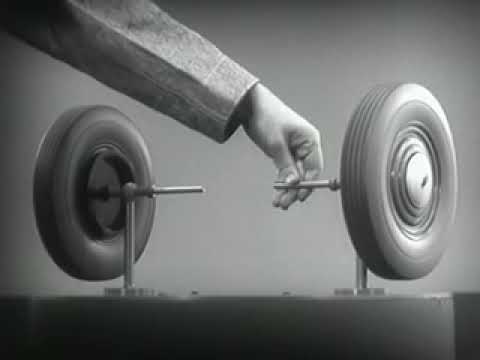
Around The Corner - How Differential Steering Works (1937)
US Auto Industry
 6:53
8-bit computer update
Ben Eater
 22:21
Reverse emulating the NES to give it SUPER POWERS!
suckerpinch
 27:25
“Hello, world” from scratch on a 6502 — Part 1
Ben Eater
 32:35
Detergent packs are kinda wishy-washy (Dishwashers Explained)
Technology Connections
 41:53
Mechanical Computer (All Parts) - Basic Mechanisms In Fire Control Computers
Excelsior10000
4 comments from Hacker News
I've been watching his videos on a 1970s pinball machine. It goes horribly in-depth (in a good way). Fascinating how much complexity could be managed with the simplest of interfaces. [LINK] [VIDEO]
After reading the reason why code isn't a good analogy, the mechanical/analog logic of old pinball machines might be a better example of how DNA processes instructions? Ref: [VIDEO]
Yup - the first few minutes of one of Technology Connections' videos on electromechanical pinball machines shows this mechanism in action: [VIDEO]
I think it's pretty charming. Games have so much abstraction these days it feels like there's no way to truly understand what it is they're even doing. One can spend months agonizing over the true nature of things and how ideas and concepts relate to each other and eventually distill it all into some object oriented organization that implements not just your game but all possible games. One can also just cycle the game's state machine in a big function, haha switch statement go brrr. Reminds me of the old NES games which would statically allocate memory for game objects, very much in the "structure of arrays" style, they too had game logic just like that. Also reminds me of old electromechanical pinball machines. You can literally see the machine cycle. [LINK] [VIDEO]